Apollo’s Slok says US companies now treat AI spending as a cost, not growth
Artificial intelligence has delivered “zero financial payoff” to corporate America outside the tech sector. That is the finding of Torsten Slok, chief economist at Apollo Global Management, in a note on Saturday. Slok compared the Magnificent Seven, the biggest US tech companies, with the other 493
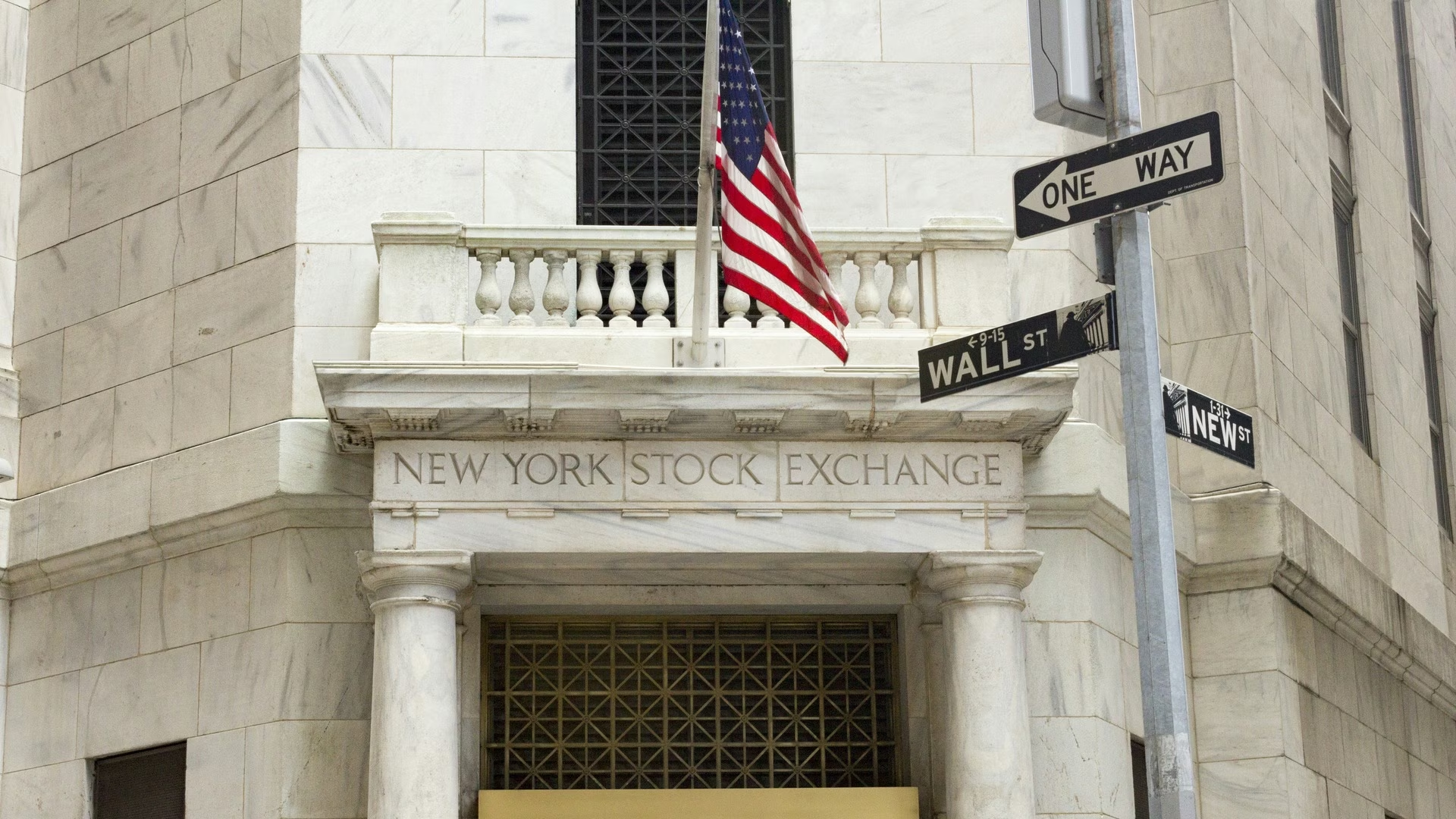
The New York Stock Exchange on Wall Street
Artificial intelligence has delivered “zero financial payoff” to corporate America outside the tech sector. That is the finding of Torsten Slok, chief economist at Apollo Global Management, in a note on Saturday.
Slok compared the Magnificent Seven, the biggest US tech companies, with the other 493 companies in the S&P 500. Revenue per worker and profit margins are rising for the first group and flat for the second, he wrote. He also found no sign yet of AI lifting productivity growth.
“Mainstream corporate America is pulling back and starting to view token spending not as a source of growth but as a cost center that weighs on margins.” Torsten Slok, Apollo Global Management
Business Insider read the charts for the numbers. Revenue per employee at the tech giants rose from about $550,000 in 2022 to nearly $800,000. The rest of the S&P 500 stayed near $550,000, with profit margins at about 10%.
Tokens are the units AI companies charge by. Venture-backed companies are spending more and more on them, Slok wrote. Mainstream companies, he added, do not need the latest model and are unwilling to pay for it.
Apollo’s charts use data from the spending platform Ramp. They show the top 10% of firms account for 95.6% of spending on OpenAI and Anthropic. Venture capital backs most of the top 1% of AI spenders. Some large employers are already capping use: Accenture this month limited staff Claude spending to $29 a month.
“As long as agentic AI and token spending are confined to a small part of the economy, the macroeconomic effects of AI will be very limited.” Torsten Slok
Slok made a related case on 20 October. Corporate token spending is growing more slowly, he wrote in an earlier note. That suggests demand for compute may exist “only when compute is effectively free”. In August, Apollo found AI was hitting paychecks rather than payrolls.
Not everyone on Wall Street shares the view. Blackstone president Jon Gray last week rejected warnings of an AI bubble and called demand “almost parabolic”, Bloomberg reported. He was speaking about an AI consulting business Blackstone set up with Anthropic.
Alphabet, Amazon and Microsoft report quarterly earnings this week, with investors looking for an AI payoff from their spending. Earlier this month, Gartner warned that $3.5tn of AI infrastructure spending could face write-downs by 2030.
“[T]he AI story will be decided in the S&P 493, not the Mag 7.” Torsten Slok
Cristian Dina is the CRO at The Next Web. He has interviewed 300+ industry leaders and authored the book King of Networking, establishing hi (show all) Cristian Dina is the CRO at The Next Web. He has interviewed 300+ industry leaders and authored the book King of Networking, establishing himself as one of the most connected and respected voices in the ecosystem. At just 23 years old, Cristian was included in the Forbes 30 Under 30 2025 list, representing a new generation of tech builders, bold thinkers who move fast, build with purpose, and create real impact.
Get the most important tech news in your inbox each week.
Thanks! Check your inbox to confirm your subscription.
By subscribing you agree to our Privacy Statement.