Basically no one is using AI agents for their DoorDash orders
But it's still early days for the relatively new e-commerce use case.
Is that a lot? DoorDash says outside AI agents have only led to “hundreds” of orders so far But it’s still early days for the relatively new e-commerce use case.
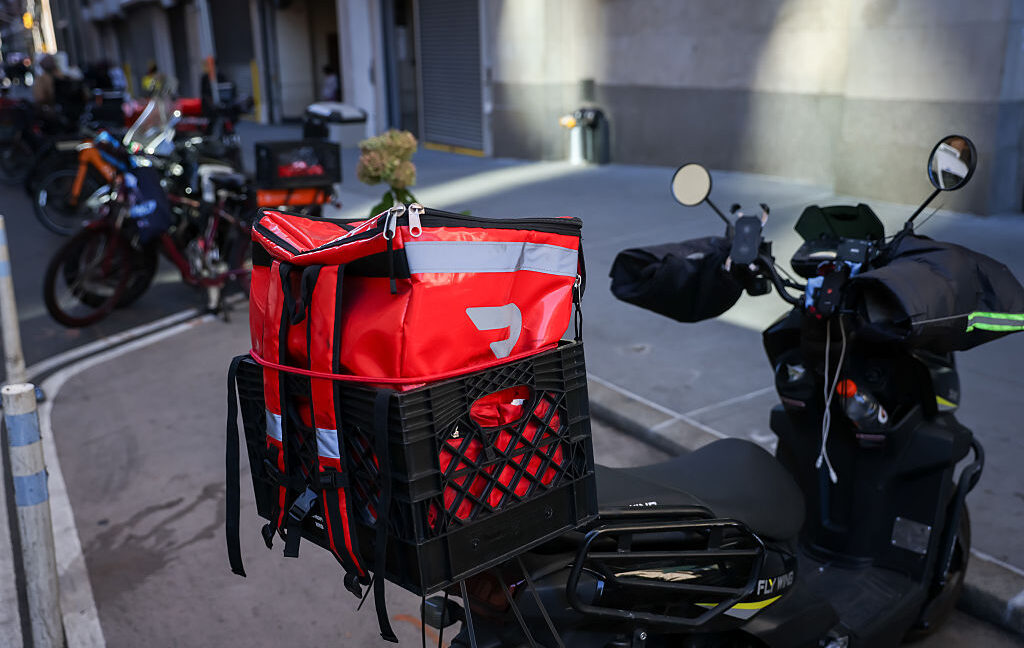
0 Did an AI agent order that DoorDash basket? The answer is almost certianly "no." Credit: Getty Images Did an AI agent order that DoorDash basket? The answer is almost certianly "no." Credit: Getty Images Text settings Story text Size Small Standard Large Width * Standard Wide Links Standard Orange * Subscribers only Learn more Minimize to nav As AI tools and agents have continued their march across all aspects of digital life, many companies are trying to use LLMs to improve the experience of purchasing goods and services on the Internet. Thus far, though, a vanishingly small number of people seem to be taking advantage of those capabilities, at least when it comes to using the popular food delivery app DoorDash with an outside AI agent.
In a third quarter earnings call Thursday, DoorDash co-founder and CEO Tony Xu responded to an analyst question by noting that “AI agents are generating several hundred orders [on DoorDash] across the time that they’ve been up and running.” In a marked understatement, Xu called this a “very low use case” for a company that handled just shy of one billion orders total in the third quarter of 2026 alone.
Speaking generally, Xu said he sees the potential for AI agents to be genuinely helpful for “long consideration purchases” and major decisions where agents would be “doing work on your behalf proactively in the background.” However, Xu added, “when it comes to a task that’s as simple as ordering food, we tend to see that come directly to DoorDash.”
To be fair to the AI boosters, DoorDash only rolled out its Model Context Protocol (MCP) connector less than a month ago. The connector provides a standardized, open-standard way for third-party AI tools to easily order through DoorDash’s platform. Without that kind of linkup—which is still only available to a small number of “early beta partners” and mainly used to streamline corporate lunch orders—AI agents have to go through a bit more effort to access DoorDash through a web interface, for instance.
Xu’s discussion of “third-party agent” orders also doesn’t include DoorDash’s own internal AI tools. Those include an “Ask DoorDash” feature the company rolled out this summer that can, for instance, create an online shopping cart from a photograph of a recipe or suggest an order based on a vague description like “dinner for a family of four.”
DoorDash hasn’t shared detailed statistics on that kind of usage, but the company said last month that Ask DoorDash baskets get built “five times faster” than those built without, and Ask DoorDash orders “average nearly 50% higher basket value and about 60% more unique items than the same consumers’ traditional orders.” The company also said nearly half of Ask DoorDash orders end up at “local spots the consumer has never tried before,” helping with discovery of new area restaurants.
That’s all to say that DoorDash’s current experience with agentic ordering may be a bit like Pizza Hut’s first tentative online ordering experiments in 1994. Back then, it would have been hard to picture today’s world, where more than half of Pizza Hut orders are placed online.
Maybe ordering food and other goods using AI agents will be just as commonplace years from now, and we’ll look back at these early statistics with bemusement. For now, though, Xu at least seems relatively cool on the early numbers.
“My take on all things technology is you never want to fight gravity,” he said regarding AI agents. “But at the same time, you don’t want to be delusional.”