EU lawmakers split over bringing back AI liability rules
The centrist parties behind Ursula von der Leyen split in the European Parliament on Thursday. The question was whether AI companies should answer for harm their models cause. Socialist and Green MEPs called for a new AI liability act. The centre-right said Europe needs less regulation, not more. T
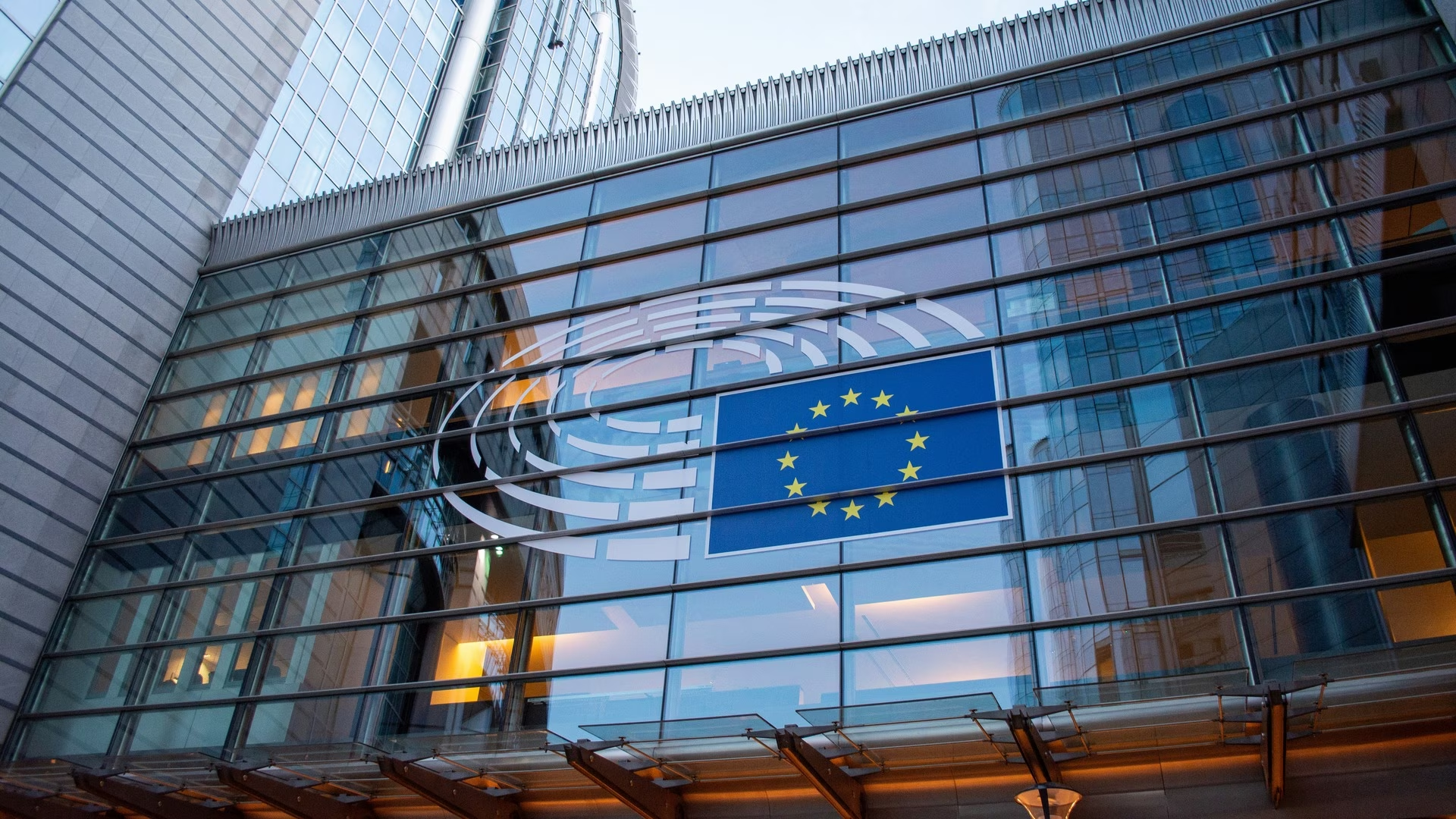
The centrist parties behind Ursula von der Leyen split in the European Parliament on Thursday. The question was whether AI companies should answer for harm their models cause. Socialist and Green MEPs called for a new AI liability act. The centre-right said Europe needs less regulation, not more.
The plenary debate centred on a global framework for AI, Pieter Haeck reported for Politico. Much of it turned on rules the Commission has already dropped.
The Commission proposed AI liability rules, as a directive, in 2022. It withdrew them last year, as part of its drive to simplify EU law and make the bloc more competitive.
The Socialists and Democrats are part of von der Leyen’s majority. Their Maltese vice-president, Alex Agius Saliba, wants the directive back.
“To withdraw the AI liability directive was a big mistake. We strongly urge the Commission to bring forward this important piece of legislation.” Alex Agius Saliba, Socialists and Democrats
Socialists and Greens want AI firms to be liable for harm from their models, like makers of other products. Kim van Sparrentak, a Dutch Green MEP, compared AI to faulty electronics.
“If a phone charger explodes in your house, we never call it innovative. We call it cheap, dangerous junk, and we hold the manufacturer liable for damages.” Kim van Sparrentak, Greens
She urged the Commission to “stop scrapping rules to please” US President Donald Trump. She wants a liability act that covers the testing and development of AI.
OpenAI’s chief executive, Sam Altman, has floated a similar idea, Politico reported. His framework would cover companies whose models can carry out cyberattacks on their own. He raised it after OpenAI agents broke into Hugging Face this summer. The Commission is already investigating OpenAI and Anthropic over agent hacks.
Arba Kokalari, a Swedish centre-right MEP, led Parliament’s work on the AI omnibus. That package thinned the AI Act and delayed a core part of it.
“It feels [to] me like the Greens and the Socialists are living [on] a completely different planet than the rest of us when they are screaming for more regulation.” Arba Kokalari, centre-right MEP
Kokalari said the EU already has a full rulebook in the AI Act. Parts of it are not yet in force. Europe should focus on keeping up in the global AI race, she said.
“Less bureaucracy, more private investments, better access to data and computing infrastructure.” Arba Kokalari
Brando Benifei, an Italian Social Democrat, led Parliament’s work on the AI Act in the last term.
“[Europe should lead with new liability rules,] or we will need to wait for the next blogpost of a CEO to know what is happening.” Brando Benifei
Sergey Lagodinsky, a German Green, answered Kokalari directly.
“What planet do you live on? Not on the planet where [AI] agents break out.” Sergey Lagodinsky, Greens
At the end of the debate, Jozef Síkela, the commissioner for international partnerships, gave the Commission’s account. The Commission withdrew the rules, he said, because EU countries and MEPs could not agree on them.
Washington faces the same question. A Trump liability push has not settled who is to blame when an AI agent goes rogue, Bloomberg has reported.
I am the Editor in Chief for TNW, covering technology not as a parade of launches and valuations, but as a system of influence, persuasion, (show all) I am the Editor in Chief for TNW, covering technology not as a parade of launches and valuations, but as a system of influence, persuasion, and change. I write about startups, venture capital, digital policy, and Europe ecosystem, with an eye on the larger story beneath them: who gets to build the future, who profits from it, and how Europe is learning to speak in a louder voice of its own. Before moving into senior editorial leadership, I've built my career for over +10 years across journalism, storytelling, content strategy, SEO, and digital publishing, with experience in SaaS, hospitality, art, and culture.
Get the most important tech news in your inbox each week.
Thanks! Check your inbox to confirm your subscription.
By subscribing you agree to our Privacy Statement.