Oracle cancels $7B Tencent AI chip lease under US pressure, FT reports
Oracle has scrapped a chip leasing deal with Tencent worth an estimated $7bn after the Trump administration leaned on it, according to a Wednesday report in the Financial Times. US officials went to Oracle with concerns about the deal, the newspaper said, citing people familiar with the matter. Reu
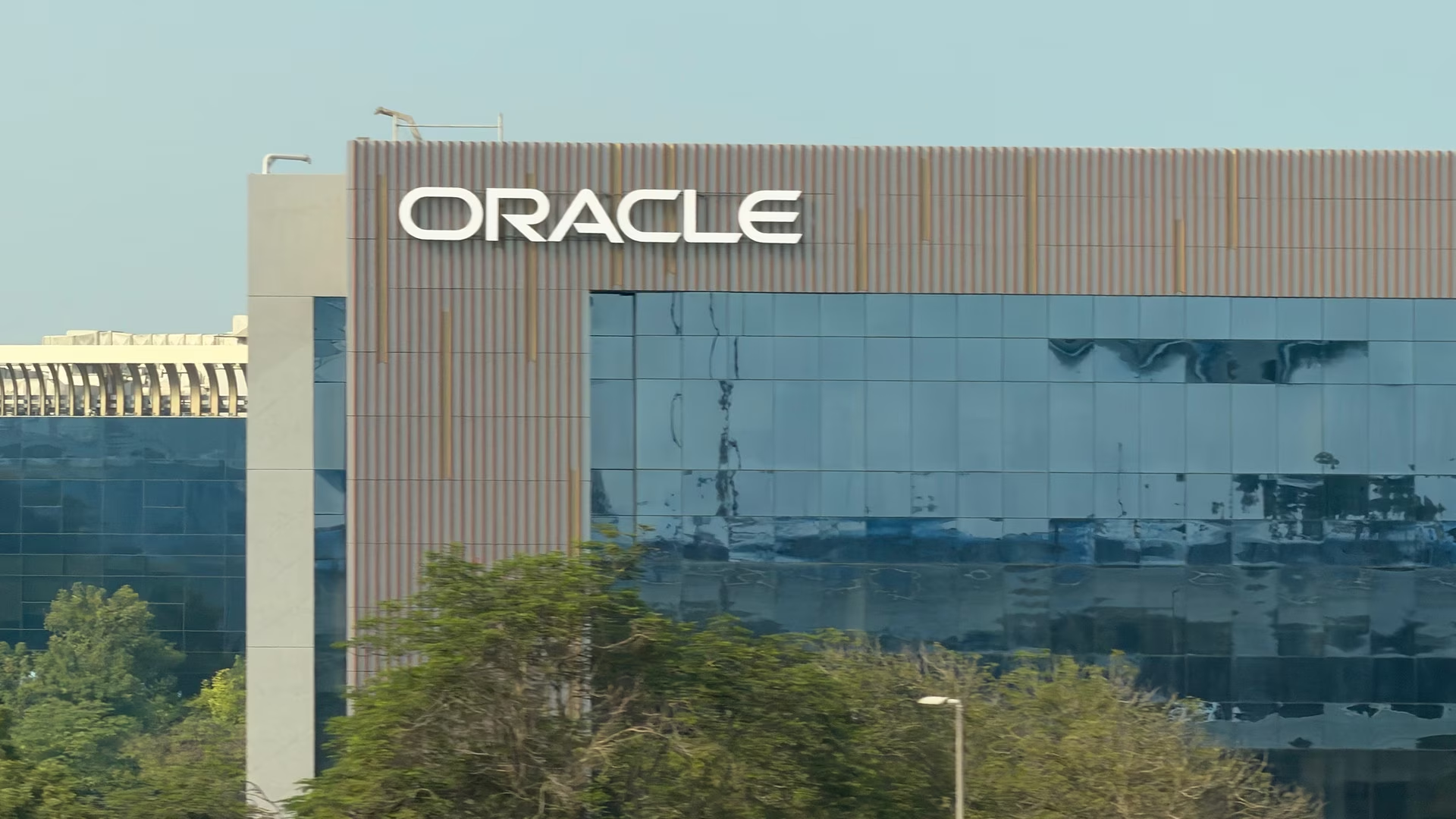
Oracle’s office in Dubai Internet City, Dubai, 3 November 2026
Oracle has scrapped a chip leasing deal with Tencent worth an estimated $7bn after the Trump administration leaned on it, according to a Wednesday report in the Financial Times.
US officials went to Oracle with concerns about the deal, the newspaper said, citing people familiar with the matter.
Reuters said it could not immediately verify the report, and Oracle, Tencent and the White House also left Reuters’ requests for comment unanswered.
Pressure came from Beijing as well. Senior officials from Guangdong, the province where Tencent is based, visited the company and urged it to back chips made in China, the FT reported.
The FT first reported the Oracle lease deal last month, calling it Tencent’s largest overseas lease. Under the five-year agreement, Tencent was to rent capacity in several Oracle data centres in Southeast Asia and pay about 30% of the value upfront.
The lease would have let Tencent use about 100,000 advanced AI chips it cannot buy at home. Rules set by both Washington and Beijing keep those chips out of China.
Chinese tech firms have turned to renting computing power abroad as supply at home stays short and US export controls get tighter. At the same time, ByteDance, Alibaba and Tencent have placed large Nvidia orders for chips they are allowed to buy.
The cancellation follows an FT report on Tuesday that Nvidia had told its cloud partners to cap Chinese business at 49% of their capacity. Both moves point to closer US scrutiny of how Chinese firms reach top AI chips through third parties.
For Oracle, the Tencent contract was one of several large, long-term deals behind its fast build-out of AI cloud capacity. The company is paying for that expansion partly with borrowed money and recently priced a $20bn funding round, with interest of up to 8.65%.
Investors have grown wary of that spending. Oracle’s shares have roughly halved over the past year as the market weighs its AI growth against the cost of paying for it.
Tencent, meanwhile, has been spending more on computing power to catch up with Chinese rivals in AI. The company is also adding AI agents across its WeChat app, the FT reported in October.
Alina Maria Stan builds connections that people actually feel. As co-founder and COO of Tekpon, she turns product intuition into real moment (show all) Alina Maria Stan builds connections that people actually feel. As co-founder and COO of Tekpon, she turns product intuition into real moments of discovery, shaping how teams find and adopt SaaS every day.
Since 2020, she has led Tekpon’s brand voice, media strategy, and growth plays with a clear focus on human outcomes behind every metric. Before Tekpon, Alina followed curiosity across industries and countries. She was CEO of King Casino Bonus and led affiliate and brand strategy at Extremoo Media and Fable Media in Denmark, where she learned how to build partnerships that last.
Early on, she sharpened her CRM and pricing instincts at K.H. ApS, always asking why customers choose what they choose. Her approach is rooted in more than a decade of international experience and two master’s degrees, one in Sustainable Consumption from the Technical University of Munich and one in Consumer Affairs Management from Aarhus University.
Get the most important tech news in your inbox each week.
Thanks! Check your inbox to confirm your subscription.
By subscribing you agree to our Privacy Statement.