Oracle connects AI-driven testing with a new approach to database security
Frontier AI models that uncover software flaws by the hundreds are forcing database providers into larger, faster patch cycles, and real application testing is becoming the safeguard that keeps those fixes from breaking production systems. The same AI wave is also undermining security rules written
SHARE Coverage from SiliconANGLE's livestreaming video studio UPDATED 15:22 EST / NOVEMBER 04 2026
Frontier AI models that uncover software flaws by the hundreds are forcing database providers into larger, faster patch cycles, and real application testing is becoming the safeguard that keeps those fixes from breaking production systems. The same AI wave is also undermining security rules written into applications.
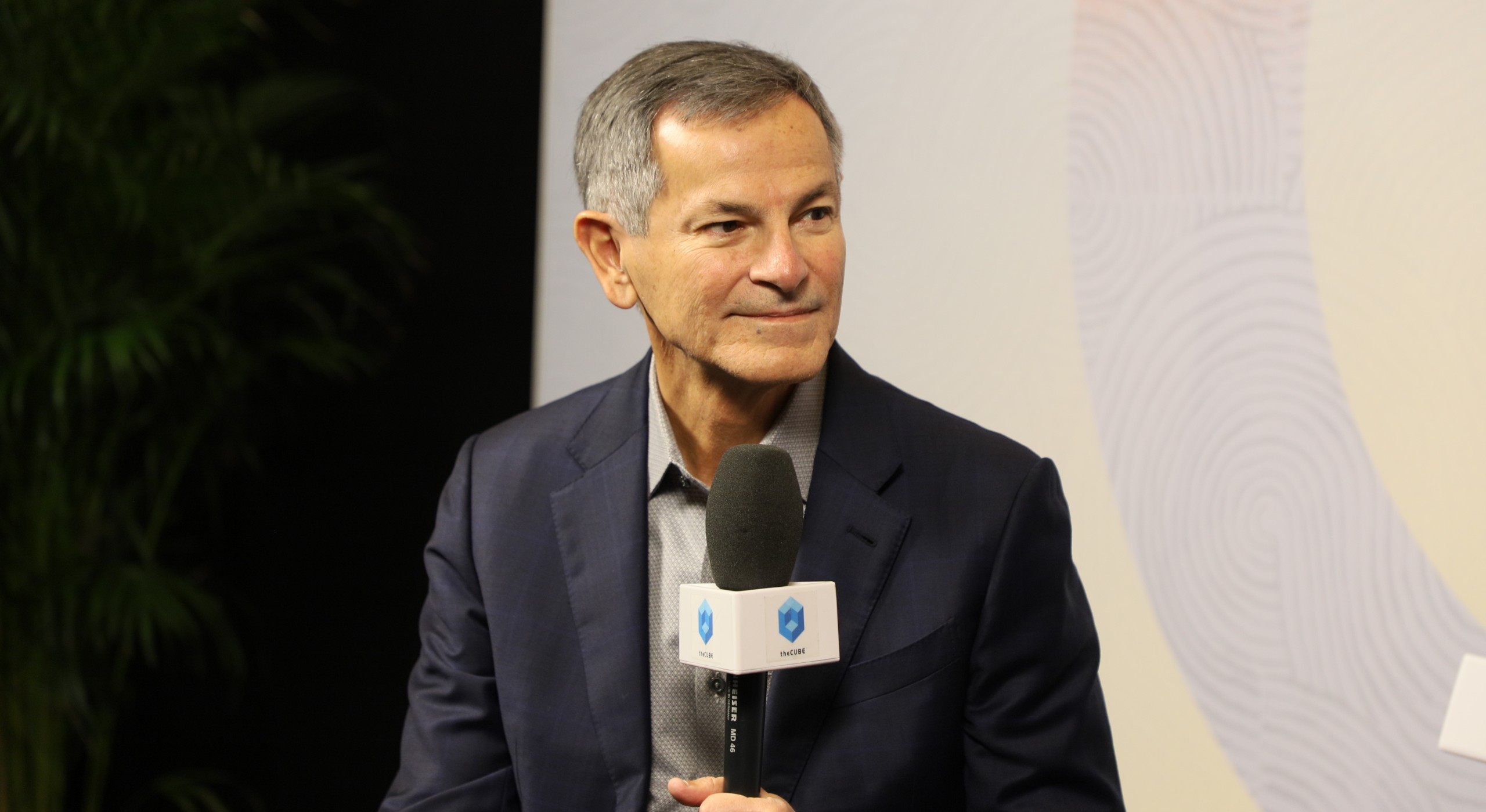
Oracle Corp. has responded on two fronts, hardening its code against outside attackers while moving agent controls down to the data layer. The first effort began when the company turned an early-access frontier model on its own software, according to Juan Loaiza (pictured), executive vice president of Oracle Database Technologies at Oracle.
“Back in March, we got early access to the Mythos model and we ran it against our code and it started finding all these security vulnerabilities,” Loaiza said. “It’s turning up some very serious security issues. And so we said, ‘Hey, this is a code red moment. The house is on fire.'”
Loaiza spoke with theCUBE Research’s Dave Vellante at Oracle AI World, during an exclusive broadcast on theCUBE, SiliconANGLE Media’s livestreaming studio. They discussed why AI-discovered vulnerabilities, AI-generated code and AI agents require enterprises to treat security as a data problem. (* Disclosure below.)
Most of Oracle’s response to AI-discovered vulnerabilities is landing in its regular quarterly patches, which have grown much larger as a result, Loaiza explained. A quarterly security update earlier this year addressed more than 1,400 vulnerabilities across the company’s portfolio. Customers must automate patching and stay current, but every large patch raises fears of regression in systems that cannot fail.
“We have something called Real Application Testing where we can capture real workload and run it to make sure that your workload is not affected by these patches,” Loaiza said. “It’s not quite as simple as just apply because the applications that people run are extraordinarily complex. They run entire countries, entire industries.”
Patching handles outside attackers. Internal AI use is a separate threat, because applications have traditionally enforced end-user security, and AI now writes much of that code or goes straight to the data. Oracle’s answer is Deep Data Security, which began shipping in April and passes an authenticated user’s identity as an encrypted token through to the database. The company has since extended those authorization controls across remote databases, lakehouse data and related tables.
“The new world as I see it is all these end-user security rules have to be enforced where AI can’t bypass them, which means all the way down in the data,” Loaiza said. “The AI agent has to get your identity. It’s acting on behalf of you. It can’t leak the data if it can’t see the data.”
Business rules follow the same logic. Application code has always blocked a credit card charge above the customer’s limit, but an AI agent told to enforce that rule may not comply, Loaiza noted. Oracle is providing declarative ways to define such rules, along with SQL Assertions that check whether changes made through SQL are valid.
“There’s credit limits, there’s all sorts of things that are business rules that can’t be violated. And again, if we move those all the way down into the data, then no matter how you access the data, what mechanism you use, how AI is used, it cannot violate those rules,” Loaiza said.
Here’s the complete video interview, part of SiliconANGLE’s and theCUBE’s coverage of Oracle AI World:
(* Disclosure: TheCUBE is a paid media partner for Oracle AI World. Neither Oracle, the sponsor of theCUBE’s event coverage, nor other sponsors have editorial control over content on theCUBE or SiliconANGLE.)
Support our mission to keep content open and free by engaging with theCUBE community. Join theCUBE’s Alumni Trust Network, where technology leaders connect, share intelligence and create opportunities.
Founded by tech visionaries John Furrier and Dave Vellante, SiliconANGLE Media has built a dynamic ecosystem of industry-leading digital media brands that reach 15+ million elite tech professionals. Our new proprietary theCUBE AI Video Cloud is breaking ground in audience interaction, leveraging theCUBEai.com neural network to help technology companies make data-driven decisions and stay at the forefront of industry conversations.
As AI takes over coding, Oracle rethinks how applications are built
Oracle rethinks the lakehouse as AI agents become data consumers
Oracle urges database customers to prepare for quantum security risks
University AI’s biggest challenge? Scaling research without losing control
Smartsheet AI-powered platform bridges gap between planning and results
VMware gets simpler AI deployment and low-cost version for basic private clouds
AI - BY JONATHAN ANTHONY. 25 MINUTES AGO
SECURITY - BY JONATHAN ANTHONY. 47 MINUTES AGO
© 2026 SiliconANGLE Media Inc. All rights reserved.