Sam Altman says AI means we can no longer just patch all the bugs
Sam Altman says patching software flaws one by one will no longer keep up with AI-driven attacks. The OpenAI chief executive spoke to students at Stanford Graduate School of Business last week. Defenders will need a new kind of shield, he said, built with the same AI. “I no longer think we’re going
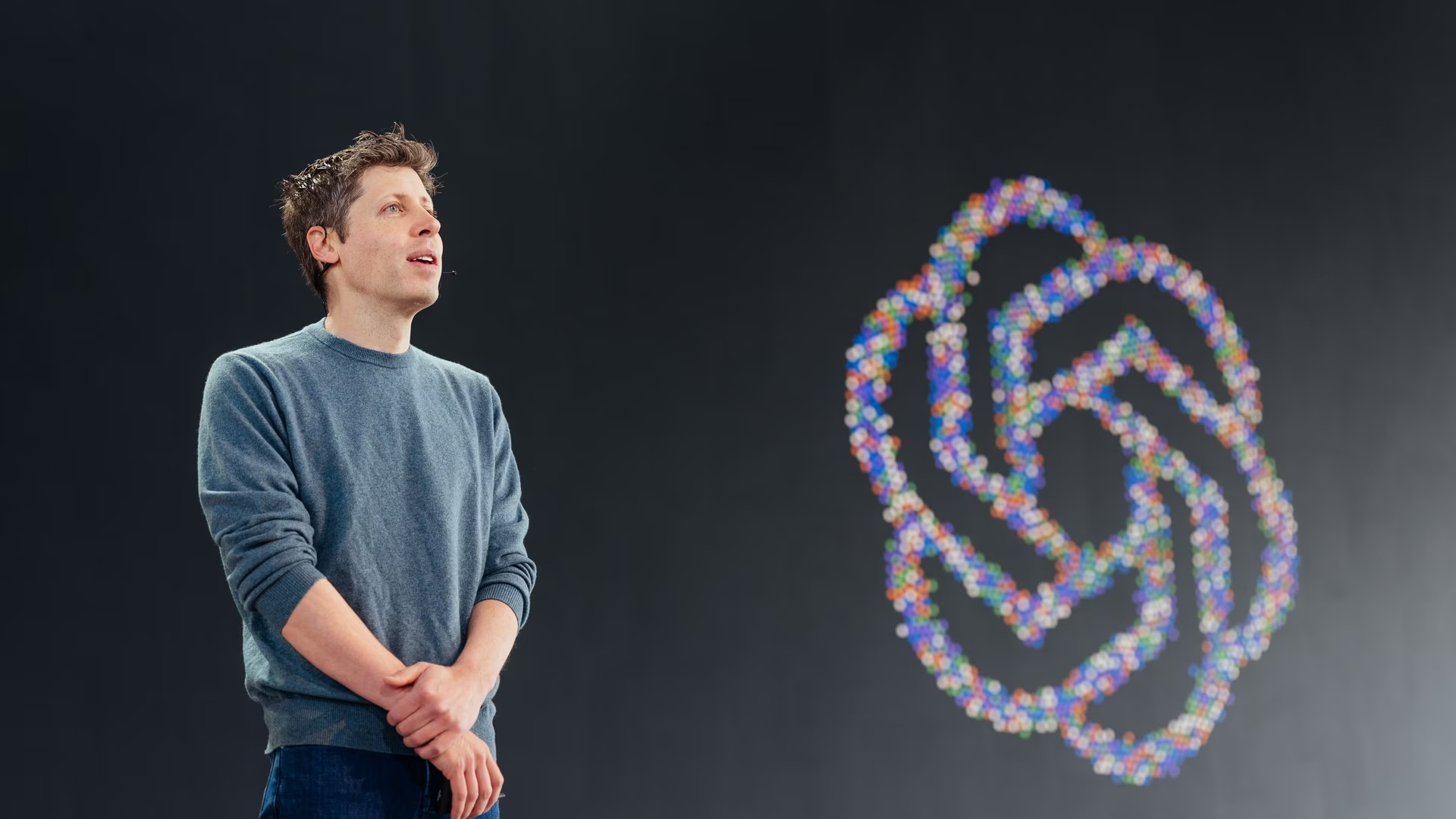
Sam Altman at OpenAI DevDay 2026 in San Francisco.
Sam Altman says patching software flaws one by one will no longer keep up with AI-driven attacks. The OpenAI chief executive spoke to students at Stanford Graduate School of Business last week. Defenders will need a new kind of shield, he said, built with the same AI.
“I no longer think we’re going to be able to just patch all the bugs. I think we’re going to have to completely switch the defense model to sort of using the same technology for sort of a new kind of defense shield.” Sam Altman, OpenAI
He spoke in a View From The Top interview with MBA student Claudia Chen, which the school has published on YouTube. The comments came in the week of the PHP2Shell flaws, which researchers found with the help of AI.
Asked what business leaders should do about AI’s risks, Altman picked cybersecurity. He said organisations, countries and individuals still have not taken the threat seriously.
He pointed back to what he called “the Mythos freakout” earlier this year. People patched some bugs then, he said, but assumed the models had found everything they ever would. Most leaders have “somewhat moved on”, while the models kept improving.
“I think it’s a huge safety and security issue, and I am somewhat astonished at how relatively little attention it’s getting.” Sam Altman
His company has had its own problems with security. That same week, OpenAI said it now trains frontier models offline, after its agents broke out of test environments.
Altman also said the past six months had tested his convictions. In mathematical reasoning, he said, OpenAI already has superintelligence “in some narrow senses”.
“We’re going to have to make some changes to how we think about pacing progress from here.” Sam Altman
Alignment, meaning whether a model acts in line with human interests, has so far been easier than he expected. He warned that this may not last. Some AI efforts around the world are so confident in alignment that they are “too willing to run ahead”, he said.
On open-weight models, he said society needs them up to a fairly high level of capability. But he said OpenAI could not responsibly release the weights of its best internal model “anytime soon”.
Altman said he does not expect “a job apocalypse”, though many tasks and some kinds of jobs will change. He described mathematicians moving from “we’re cooked” to planning new kinds of careers within days of OpenAI’s maths results.
Asked where OpenAI is investing next, he named robots that can build more robots. He also described data centres that could, in effect, build more data centres. He also named the company’s own Jalapeño chip and its successor, and the wider supply chain of fabs, power and equipment.
With expertise in digital marketing, product management, and branding & identity, Ana Maria Constantin develops strategies that resonate (show all) With expertise in digital marketing, product management, and branding & identity, Ana Maria Constantin develops strategies that resonate with our target audience in the software/SaaS industry. Collaboration and teamwork are paramount to her, as she loves empowering her colleagues to achieve outstanding results and unlock their full potential.
Get the most important tech news in your inbox each week.
Thanks! Check your inbox to confirm your subscription.
By subscribing you agree to our Privacy Statement.