Zoom’s next act: From video company to AI data platform
Since its launch, Zoom has been defined by one word: video. Customers, consumers, investors and competitors have long known Zoom as the industry’s easiest-to-use and best video platform. However, even before the pandemic, the company had been evolving into something much bigger than the unified-com
AKTUALISIERT UM 22:01 EDT / 22. OKTOBER 2026
Seit seinem Start wurde Zoom von einem einzigen Wort definiert: Video. Kunden, Verbraucher, Investoren und Wettbewerber kannten Zoom lange als die benutzerfreundlichste und beste Videoplattform der Branche. Schon vor der Pandemie entwickelte sich das Unternehmen jedoch zu etwas viel Größerem als den Kategorien Unified-Communications-as-a-Service und Contact-Center-as-a-Service, in die Analystenfirmen es einordneten.
Diese Bemühungen gipfelten auf der dieswöchigen Zoomtopia 2026, wo Zooms zweites Kapitel präsentiert wurde und um viel mehr als Video kreiste. Zooms Vision der „conversation to completion“, verankert in einer neuen Unified Context Layer, positioniert Zoom als eine Datenplattform für künstliche Intelligenz, deren wertvollster Vermögenswert die Konversationsdaten sind, die durch Meetings, Telefonate, Chat, Kontaktcenter-Interaktionen, Veranstaltungen, Interviews und Verkaufsgespräche fließen. Video und andere Kommunikationstools sind der Erfassungsmechanismus. Die Daten und Aktionen sind das Produkt.
Das ist ein bedeutender Wandel, und er verändert sowohl, wo Zoom innerhalb eines Unternehmens agieren kann, als auch, wie es an den Markt gehen muss.
Ich habe oft gesagt, dass KI nur so gut ist wie die Daten, auf die sie zugreifen kann, und dass Daten ohne Kontext irreführend sein können. Das Problem bei der Anbindung von KI an Dokumente, Tickets und Datenbanken ist, dass dokumentiertes Wissen immer veraltet ist. Entscheidungen fallen in Gesprächen und werden später schriftlich festgehalten, wenn überhaupt.
Zooms Unified Context Layer soll diese Lücke schließen. Im Analysten-Vorbriefing erklärte Zoom, dass er drei Quellen kombiniert: allgemeines Wissen aus dem Modell selbst, dokumentiertes Wissen aus Dateien und verbundenen Anwendungen wie Salesforce, ServiceNow und Workday sowie dynamischen Kontext aus Live-Gesprächen. Zoom erstellt einen Graphen, der Personen, Themen und Entscheidungen abbildet und ihn nahezu in Echtzeit aktuell hält.
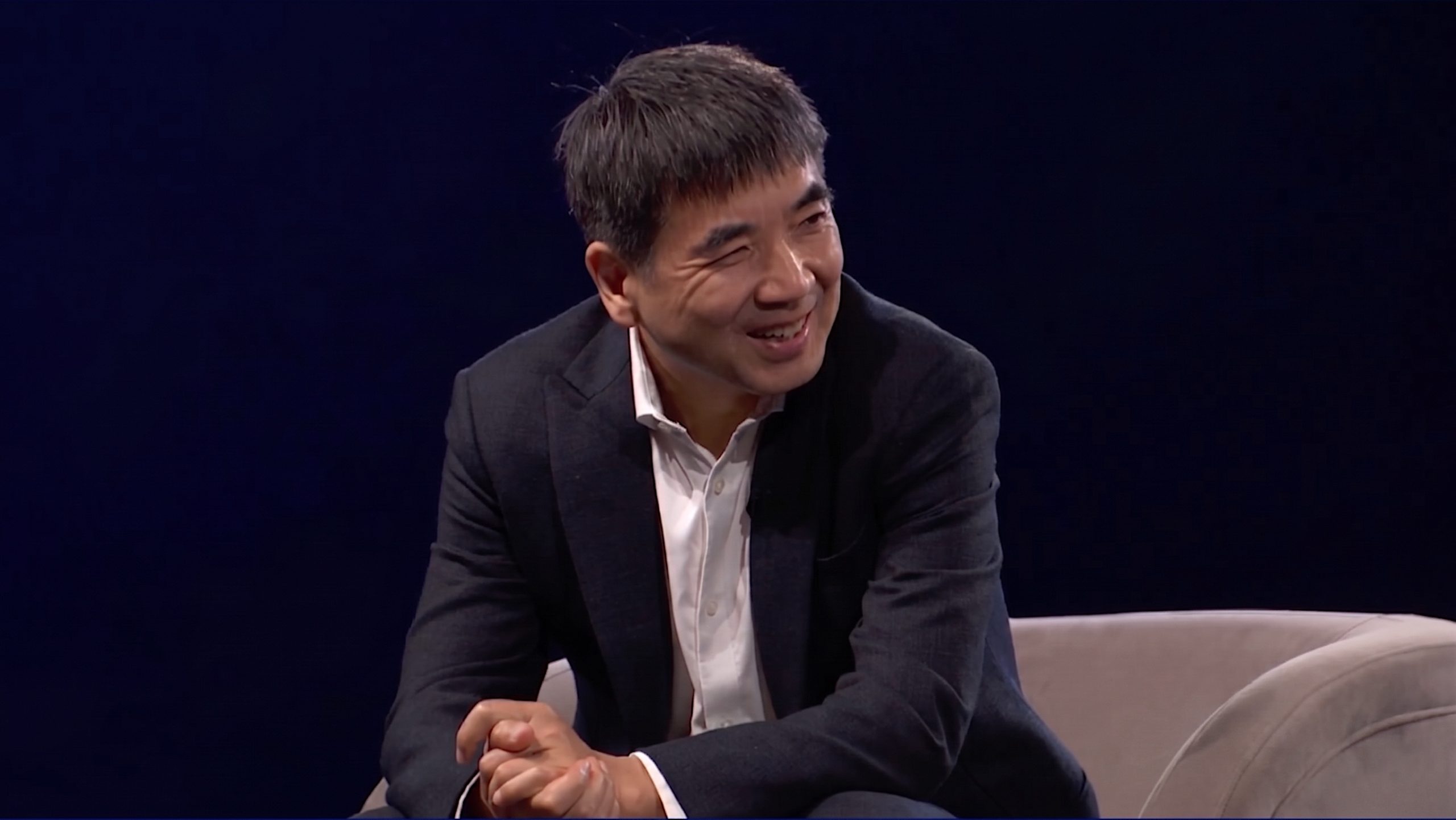
Während seines Teils der Keynote erläuterte Chief Executive Eric Yuan (im Bild): „KI-Modelle sind nur so leistungsfähig wie ihr Verständnis Ihres Unternehmens, und dieser Kontext macht den entscheidenden Unterschied.“
Die strategische Implikation für Zoom ist, dass es nicht mehr das Meeting gewinnen muss, um den Kunden zu gewinnen. Es muss das System sein, das Gespräche erfährt und versteht, wo immer sie stattfinden. Deshalb erweitert Zoom My Notes auf andere Meeting-Plattformen und persönliche Diskussionen, und deshalb bietet es nun 15 MCP-Server, Search- und Ask-Programmierschnittstellen sowie Anbindungen an Claude, Codex und Copilot. Zoom macht seinen Kontext für jedes KI-Tool verfügbar, das ein Kunde bevorzugt, ein klares Signal, dass es sich selbst als Datenschicht und nicht nur als Anwendung sieht.
Diese Transformation positioniert Zoom als viel mehr als einen Kommunikationsanbieter für ein enges Publikum. Sobald Zoom sich über Gespräche statt über Meetings definiert, erweitert sich der adressierbare Markt. Jede Geschäftsfunktion basiert auf Gesprächen, und einige der wertvollsten waren für einen Kommunikationsanbieter historisch unerreichbar. Zoom hat Übernahmen und Produktinvestitionen genutzt, um diesen Gesprächen in neue Einkaufszentren zu folgen.
Revenue Operations. Zoom Revenue Accelerator, oder ZRA, erfasst und analysiert Verkaufsgespräche, um Coaching, Deal-Intelligence und Forecasting zu liefern. Zoom sagte im Vorbriefing, dass 65% der ZRA-Nutzer eine erhebliche oder transformative Auswirkung auf ihre Verkäufe berichten. Im Aktionärsbrief für das Geschäftsjahr 2026 wies das Unternehmen darauf hin, dass die Zahl der ZRA-Kunden im Jahresverlauf um 50% gewachsen ist.
Die Übernahme von Common Room, die im Juli abgeschlossen wurde, schiebt Zoom weiter stromaufwärts. Common Room vereint CRM-, Produkt-, Marketing- und Engagement-Daten mit realen Kaufsignalen zu einer Buyer-Intelligence auf Personenebene, wobei KI-Agenten Recherche und Prospecting übernehmen. Chief Strategy Officer Abhisht Arora beschrieb den Deal als eine Erweiterung von Zooms System of Action stromaufwärts.
Auf der Zoomtopia zeigte sich die Kombination als ZRA-Anreicherung und Prospecting, die Entscheider hervorhebt, die noch nicht im CRM erfasst sind, sowie als signalbasierte Orchestrierung, die kaufwillige Interessenten mit vollem Kontext an den richtigen Vertriebsmitarbeiter weiterleitet. Zoom deckt nun die gesamte Customer Journey vom ersten Kaufsignal über das Verkaufsgespräch bis zur Prognose ab. Das bringt Zoom ins Gespräch mit Chief Revenue Officers und RevOps-Leadern, Käufern, die abgesehen von Lizenzplätzen nie viel Grund hatten, mit Zoom zu sprechen.
Personalwesen und Einstellung. Dieselbe Logik gilt für Talente. Zoom übernahm BrightHire im Dezember 2025 für 98 Millionen US-Dollar in bar. BrightHire zeichnet Interviews auf und transkribiert sie, erstellt Kandidatenzusammenfassungen, strukturiert Belege anhand von Einstellungskriterien und automatisiert das Erstscreening mit einem KI-Interviewer. Millionen von Vorstellungsgesprächen finden bereits auf Zoom statt, was die Passung natürlich macht. Mit Workvivo erstreckt sich Zoom nun über den gesamten Talent-Lebenszyklus vom Interview bis zum Engagement.
BrightHire zeigt auch, wie Zooms Trust-Funktionen funktionsübergreifend Mehrwert schaffen. Zooms Deepfake Risk Detection wird bereits von BrightHire in Interviews eingesetzt, wo Kandidatenbetrug ein wachsendes Problem darstellt. Zoom sagte, die Funktion werde im Dezember auf Arbeitsmeetings ausgeweitet.
Normalerweise habe ich mich nie für Personalsoftware begeistert, weil Unternehmen selten in die Transformation dieses Bereichs investieren. Der Einstellungsprozess ist jedoch etwas, das jede Abteilung betrifft. Wenn ein Vertriebsleiter, Chief Information Officer, Marketingleiter oder jemand anderes schneller und mit besser qualifizierten Personen einstellen kann, wird das unternehmensweit attraktiv sein.
Kundenerfahrung. Zoom ist im Bereich Kundenerfahrung noch relativ neu, aber das Feedback von Kunden und Partnern ist durchweg positiv, und die Kontextgeschichte verstärkt das. Die Kontextebene speist den virtuellen Agenten, den Live-Agenten und den Back-Office-Experten, sodass Kunden sich nicht wiederholen müssen. Zoom verwies auf Cricut, das die Wartezeiten für Kunden um 89% senkte.
Der gemeinsame Nenner ist, dass jedes dieser Produkte Konversationsdaten erzeugt, die die Kontextebene speisen und vom Kontext profitieren, der von den anderen generiert wird. Das ist das Schwungrad, das Zoom aufbaut, und es ist das, was die Positionierung als KI-Datenplattform zu mehr als nur Marketing macht.
Die technologische Geschichte ist überzeugend. Die Herausforderung für Zoom ist eher eine kommerzielle. Zooms Vertrieb und Kanalpartner wurden darauf ausgelegt, Meetings, Telefonie und Contact Center an IT- und Kommunikationseinkäufer zu verkaufen. Historisch war fast alles, was Zoom verkaufte, ein Add-on zur Meetings-Beziehung.
Revenue Accelerator, Workvivo, Common Room und BrightHire sind anders. Der wirtschaftliche Käufer ist ein Chief Revenue Officer, ein RevOps-Leiter, ein Leiter der Talentakquise oder ein Chief People Officer. Diese Käufer haben andere Prioritäten, Budgets und Bewertungskriterien, und sie haben bereits etablierte Beziehungen zu Anbietern wie Gong, Clari, ZoomInfo und Greenhouse.
Ich habe im Vorbriefing direkt dazu gefragt: Führen Partner Produkte wie ZRA in Neukundenkonten an, oder fügen sie sie meist der bestehenden Zoom-Installationsbasis hinzu? Chief Product Officer Russell Dicker (unten) sagte, Zoom sehe beides in einer Mischung, nannte aber keine Zahlen. Er wies darauf hin, dass selbst Unternehmen, die auf eine andere Meeting-Plattform standardisiert sind, oft Vertriebs- und Recruiting-Teams haben, die externe Gespräche über Zoom abwickeln, was eine echte Gelegenheit schafft.
Als ich nachhakte, ob es einen verbindlichen Leitfaden für den Außendienst und den Kanal gibt, betonte Dicker, dass Zoom Probleme auf Best-of-Breed-Weise lösen will und nicht versucht, Kunden in ein All-in-One-Paket zu zwingen. Auf der Veranstaltung fragte ich Chris Barwick, Leiter des Vertriebs und der Kanäle in Amerika, dazu, und er erklärte, dass das Unternehmen Vertrieb und Partner-Enablement um bestimmte Einkaufszentren ausrichtet: Wissensarbeiter, CX, Go-to-Market (RevOps und Marketing Ops, einschließlich Veranstaltungen und ZRA), Talente und Personal (BrightHire und Workvivo) sowie ein wachsendes Entwickler-Ökosystem.
Das ist der richtige Ansatz, unterschätzt aber die Schwierigkeit. Der Verkauf an eine neue Geschäftseinheit erfordert das richtige Messaging, Verkäufer, die die Sprache von Pipeline-Abdeckung und Einstellungsqualität sprechen, und Referenzen in diesen Funktionen. Die meisten Zoom-Partner sind UC- und CX-Reseller, deren Kontakte in der IT sitzen, sodass der Gang ins Büro des CRO ein großer Sprung ist. Viele werden ohne spezialisierte Overlay-Teams, neue Anreize oder neue Partnertypen, wie RevOps-Beratungen und HR-Tech-Integratoren, nicht erfolgreich sein. Aber Partner, die investieren, sollten die Belohnung ernten: größere Deals mit höheren Margen, die deutlich stärker gebunden sind.
Ein Partner, der diesen Sprung geschafft hat, ist Converged Technology Professionals, einer der Top-Reseller von Zoom. Auf der Zoomtopia sprach ich mit Joe Rittenhouse, Mitgeschäftsführer von CTP, der sagte, dass ZRA zu einem Einstieg in Kundenkonten wird. „Wir können mit ZRA beginnen, bevor wir UCaaS oder CCaaS machen, und einfach Gong ersetzen“, erzählte er mir. „Sobald sie die immateriellen Vorteile und die Daten sehen, entsteht ein Hunger und Durst nach mehr, und so kommen wir an Notes und die anderen Aspekte der Plattform. Das dreht die traditionelle Zoom-Bewegung auf den Kopf, wobei das Meetings-Geschäft einem Anwendungverkauf folgt, statt ihn anzuführen.“
Rittenhouse äußerte sich auch offen dazu, dass sich das Partnergeschäftsmodell ändern muss, um dies zu unterstützen. „Früher waren wir dabei, um den Verkaufsprozess zu unterstützen, die Implementierung zu übernehmen und wahrscheinlich einen Wartungsvertrag zu verkaufen. Es war Break-Fix“, sagte er. „Das hat sich vollständig verändert. Wir müssen uns mit dem Geschäft befassen, eine Vertraulichkeitsvereinbarung unterzeichnen, verstehen, was das Unternehmen vorhat und wo die offensichtlichen Chancen liegen, und einen pragmatischen Plan erarbeiten.“ Diese Art von Analyse verlängert die Verkaufszyklen, führt aber, wie er anmerkte, auch zu besseren und strategischeren Abschlüssen.
Zoom CMO Kim Storin ist überzeugt, dass Zooms größte Chance im Bereich der Fachabteilungen liegt. Als ich sie auf der Zoomtopia traf, erklärte sie, warum Vertrieb und Recruiting naturgemäß zur Kernplattform passen. „Wenn man über Gespräche nachdenkt, die wirklich wichtig sind, gibt es nichts Wichtigeres als Kundengespräche und Vertrieb“, sagte sie. „Und nichts ist wichtiger als Gespräche im Recruiting.“ Sie fügte hinzu, dass sie und Yuan die Vertriebsorganisation als „Hebel zurück in diese Unternehmen, die möglicherweise auf Teams oder Google standardisieren“, betrachten, wobei der Vertriebs-, Talent- oder Marketingleiter „als Einfallstor dienen soll, um in diese Organisationen vorzudringen“. Dem kann ich nur zustimmen.
Microsoft Corp. hat den Kalender des CIO fest im Griff, und Zoom wird sich dort nicht gegen das Unternehmen durchsetzen können. Aber Storin war auch realistisch genug zu erkennen, dass ein Umgehen der IT kein Freibrief ist. Sie wies darauf hin, dass die IT in den vergangenen neun Monaten die Einkaufskontrollen verschärft hat, weil die Kosten für Tokens und Verbrauch schwer kalkulierbar sind. Genau dort werden die von Zoom angekündigten Governance-Funktionen zum Verkaufsargument. Der Fachabteilungs-Käufer mag den Deal anstoßen, aber Zoom muss der IT einen Grund geben, Ja zu sagen.
Die Zoomtopia 2026 markierte den Moment, in dem Zoom aufhörte, als Videounternehmen bewertet werden zu wollen. Die Unified Context Layer, der headless Plattformansatz und die Übernahmen von Common Room und BrightHire ergeben zusammen eine stimmige Strategie: Die Konversationsdaten besitzen, sie jeder KI zugänglich machen und sie nutzen, um Arbeiten über alle Geschäftsbereiche hinweg abzuschließen.
Die Strategie ist richtig. Zoom ist eines der wenigen Unternehmen, das über die Reichweite verfügt, Geschäftskonversationen im großen Maßstab zu erfassen, und seine wachsende Präsenz in RevOps und HR macht es für das Geschäft relevanter als je zuvor.
Doch Relevanz und Umsatz sind nicht dasselbe. Zooms Erfolg in den nächsten zwei Jahren wird weniger davon abhängen, was das Unternehmen ausliefert, sondern eher davon, ob sein Vertrieb und seine Partner es schaffen, bei Käufern einen Platz am Tisch zu bekommen, die Zoom bisher nicht als strategischen Anbieter betrachtet haben. Gelingt es Zoom, diesen Vertriebsansatz aufzubauen, wird das Etikett „Videounternehmen“ endlich verblassen. Gelingt es nicht, riskiert das Unternehmen eine großartige Plattformgeschichte, die nur die IT zu hören bekommt.
Zeus Kerravala ist Principal Analyst bei ZK Research, einer Sparte von Kerravala Consulting. Er schrieb diesen Artikel für SiliconANGLE.
Unterstützen Sie unsere Mission, Inhalte offen und kostenlos zu halten, indem Sie sich in der theCUBE-Community engagieren. Werden Sie Mitglied im Alumni Trust Network von theCUBE, wo Technologieleiter sich vernetzen, Wissen teilen und Chancen schaffen.
SiliconANGLE Media, gegründet von den Tech-Visionären John Furrier und Dave Vellante, hat ein dynamisches Ökosystem branchenführender digitaler Medienmarken aufgebaut, das mehr als 15 Millionen Elite-Fachleute aus der Technologiebranche erreicht. Unsere neue eigene theCUBE AI Video Cloud bricht Neuland in der Zuschauerinteraktion und nutzt das neuronale Netzwerk theCUBEai.com, um Technologieunternehmen bei datengetriebenen Entscheidungen zu helfen und an der Spitze der Branchendiskussionen zu bleiben.
Bericht: OpenAI steht kurz vor einer Brückenfinanzierungsrunde über 30 Milliarden Dollar, um sich bis zum Börsengang zu überbrücken
Google Cloud führt die Agent Compute Engine ein, um KI-Agenten zu hosten
Amazon erklärt, dass PHP2Shell-Angriffe vier Tage vor den Patches begannen und Millionen von Versuchen verzeichnet wurden
Die Agentic AI Foundation nimmt vier weitere Open-Source-KI-Tools auf
Mave sammelt 34 Millionen Dollar, um bestehende Sicherheitstools in ein agentisches System zu integrieren
Das erwartet Sie auf der EVOLVE26: Seien Sie am 27. Oktober mit theCUBE dabei
© 2026 SiliconANGLE Media Inc. Alle Rechte vorbehalten.
Automatisch übersetzt. Das Original auf Englisch ist unten aufklappbar.
Original (Englisch) anzeigen
SHARE UPDATED 22:01 EDT / OCTOBER 22 2026
Since its launch, Zoom has been defined by one word: video. Customers, consumers, investors and competitors have long known Zoom as the industry’s easiest-to-use and best video platform. However, even before the pandemic, the company had been evolving into something much bigger than the unified-communications-as-a-service and contact-center-as-a-service buckets that analyst firms put it in.
Those efforts culminated at this week’s Zoomtopia 2026, where Zoom’s second act was on display and about much more than video. Zoom’s “conversation to completion” vision, anchored by a new Unified Context Layer, positions Zoom as an artificial intelligence data platform, with its most valuable asset being the conversational data flowing through meetings, phone calls, chat, contact center interactions, events, interviews and sales calls. Video and other communications tools are the capture mechanism. The data and actions are the product.
That’s a significant shift, and it changes both where Zoom can play within an enterprise and how it needs to go to market.
I’ve said many times that AI is only as good as the data it can access, and that data without context can be misleading. The problem with connecting AI to documents, tickets and databases is that documented knowledge is always out of date. Decisions are made in conversations and are written down later, if at all.
Zoom’s Unified Context Layer is designed to close that gap. In the analyst prebriefing, Zoom explained that it combines three sources: general knowledge from the model itself, documented knowledge from files and connected applications such as Salesforce, ServiceNow and Workday, and dynamic context from live conversations. Zoom builds a graph that maps people, topics and decisions and keeps it updated in near real time.
During his portion of the keynote, Chief Executive Eric Yuan (pictured) explained, “AI models are only as powerful as their understanding of your business, and that context makes all the difference.”
The strategic implication for Zoom is that it no longer needs to win the meeting to win the account. It needs to be the system that captures and understands conversations wherever they occur. That’s why it’s extending My Notes to other meeting platforms and in-person discussions, and why it now offers 15 MCP servers, Search and Ask application programming interfaces, and connections to Claude, Codex and Copilot. Zoom is making its context available to any AI tool a customer prefers, a clear signal that it sees itself as a data layer, not just an application.
This transformation positions Zoom as much more than a communications vendor serving a narrow audience. Once Zoom defines itself by conversations rather than meetings, the addressable market expands. Every business function runs on conversations, and several of the most valuable ones have historically been out of reach for a communications vendor. Zoom has used acquisitions and product investments to follow those conversations into new buying centers.
Revenue operations. Zoom Revenue Accelerator, or ZRA, captures and analyzes sales conversations to deliver coaching, deal intelligence and forecasting. Zoom said in the prebriefing that 65% of ZRA users report a significant or transformational impact on their sales. The company’s fiscal 2026 shareholder letter noted that ZRA customers grew by 50% over the year.
The acquisition of Common Room, which closed in July, pushes Zoom further upstream. Common Room unifies CRM, product, marketing and engagement data with real-world buying signals to build person-level buyer intelligence, with AI agents handling research and prospecting. Chief Strategy Officer Abhisht Arora described the deal as “extending Zoom’s system of action upstream.”
At Zoomtopia, the combination appeared as ZRA enrichment and prospecting that surfaces decision makers not yet in the CRM, plus signal-based orchestration that routes in-market buyers to the right rep with full context. Zoom now covers the revenue journey from the first buying signal through the sales call to the forecast. That puts Zoom in the conversation with chief revenue officers and RevOps leaders, buyers who have never had much reason to talk to Zoom beyond licensing seats.
Human resources and hiring. The same logic applies to talent. Zoom acquired BrightHire in December 2025 for $98 million in cash. BrightHire records and transcribes interviews, generates candidate summaries, structures evidence against hiring criteria, and automates first-round screening with an AI interviewer. Millions of job interviews already take place on Zoom, making the fit natural. With Workvivo, Zoom now spans the talent lifecycle from interview to engagement.
BrightHire also demonstrates how Zoom’s trust capabilities create value across functions. Zoom’s Deepfake Risk Detection is already being used by BrightHire in interviews, where candidate fraud is a growing concern. Zoom said it will extend the feature to workplace meetings in December.
Typically, I’ve never been excited about human resources software because companies rarely invest in transforming this area. However, the hiring process is something every department cares about. If a sales leader, chief information officer, head of marketing or anyone else can hire faster and with better-qualified people, that will appeal across companies.
Customer experience. Zoom is relatively new to the customer experience space, but customer and partner feedback has been overwhelmingly positive, and the context story reinforces that. The context layer feeds the virtual agent, live agent, and back-office expert, so customers don’t repeat themselves. Zoom cited Cricut, which cut customer wait times by 89%.
The common thread is that each of these products generates conversational data that feeds the context layer and benefits from the context generated by the others. That’s the flywheel Zoom is building, and it’s what makes the AI data platform positioning more than marketing.
The technology story is compelling. The challenge for Zoom is more of a commercial problem. Zoom’s salesforce and channel partners were built to sell meetings, phone and contact center to information technology and communications buyers. Historically, nearly everything Zoom sold was an add-on to the meetings relationship.
Revenue Accelerator, Workvivo, Common Room and BrightHire are different. The economic buyer is a chief revenue officer, a RevOps leader, a head of talent acquisition or a chief people officer. Those buyers have different priorities, budgets and evaluation criteria, and they already have established relationships with vendors such as Gong, Clari, ZoomInfo and Greenhouse.
I asked about this directly during the prebriefing: Are partners leading with products like ZRA in greenfield accounts, or mostly adding them to the existing Zoom installed base? Chief Product Officer Russell Dicker (below) said Zoom is seeing a mix of both but didn’t share numbers. He noted that even companies standardized on another meeting platform often have sales and recruiting teams running external conversations on Zoom, creating a real opening.
When I followed up on whether there’s a prescriptive guide for the field and channel, Dicker emphasized that Zoom aims to solve problems in a best-of-breed way and isn’t trying to force customers into a wall-to-wall suite. At the event, I asked Chris Barwick, head of Americas sales and channel, about this, and he explained that the company is orienting sales and partner enablement around specific buying centers: knowledge workers, CX, go-to-market (RevOps and marketing ops, including events and ZRA), talent and HR (BrightHire and Workvivo), and a growing developer ecosystem.
That’s the right approach, but it understates the difficulty. Selling to a new business unit requires the right messaging, sellers who speak the language of pipeline coverage and quality of hire, and references in those functions. Most Zoom partners are UC and CX resellers whose contacts sit in IT, so walking into the CRO’s office is a big leap. Many won’t succeed without specialist overlay teams, new incentives or new partner types, such as RevOps consultancies and HR tech integrators. But partners that do invest should reap the rewards: bigger deals with higher margins that are significantly stickier.
One partner that has made the leap is Converged Technology Professionals, one of Zoom’s top resellers. At Zoomtopia, I spoke with Joe Rittenhouse, co-CEO of CTP, who said ZRA is becoming a gateway to accounts. “We may start with ZRA before we do UCaaS or CCaaS, just replacing Gong,” he told me. “As soon as they see the intangibles and the data, there’s a hunger and a thirst for more, and that’s how we get into notes and the other aspects of the platform. That flips the traditional Zoom motion on its head, with the meetings business following an application sale rather than leading it.”
Rittenhouse was also candid that the partner business model must change to support it. “Traditionally, we were there to help with the sales motion, handle the implementation, and probably sell a maintenance contract. It was break-fix,” he said. “That has completely changed. We have to get involved with the business, sign an NDA, understand what they’re trying to do and where the low-hanging fruit is, and put together a pragmatic plan.” That kind of discovery lengthens sales cycles, but, as he noted, it also produces better, more strategic deals.
Zoom CMO Kim Storin believes Zoom’s best opportunity lies in the line of business. When I spoke with her at Zoomtopia, she explained why sales and recruiting naturally align with the core platform. “When you think about conversations that matter, nothing matters more than your customer conversations and sales,” she said. “Nothing matters more than your hiring conversations.” She added that she and Yuan see the revenue organization as “the wedge back into these companies that may be standardizing on Teams or Google,” with the sales, talent, or marketing leader serving “as the gateway to break through into those organizations.” I agree.
Microsoft Corp. has a lock on the CIO’s calendar, and Zoom won’t outmuscle it there. But Storin was also realistic that going around IT isn’t a free pass. She noted that IT has been tightening purchase controls over the past nine months because of unpredictable token and consumption costs. That’s where the governance capabilities Zoom announced become a sales asset. The line-of-business buyer may start the deal, but Zoom will need to give IT a reason to say yes.
Zoomtopia 2026 marked the moment Zoom stopped asking to be valued as a video company. The Unified Context Layer, the headless platform approach and the acquisitions of Common Room and BrightHire add up to a coherent strategy: Own the conversational data, make it available to any AI, and use it to complete work across every business function.
The strategy is right. Zoom is one of the few companies with the reach to capture business conversations at scale, and its growing presence in RevOps and HR makes it more relevant to the business than ever.
But relevance and revenue aren’t the same thing. Zoom’s success over the next two years will depend less on what it ships and more on whether its salesforce and partners can earn a seat at the table with buyers who haven’t considered Zoom a strategic vendor. If Zoom can build that motion, the “video company” label will finally fade. If it can’t, it risks having a great platform story that only IT hears.
Zeus Kerravala is a principal analyst at ZK Research, a division of Kerravala Consulting. He wrote this article for SiliconANGLE.
Support our mission to keep content open and free by engaging with theCUBE community. Join theCUBE’s Alumni Trust Network, where technology leaders connect, share intelligence and create opportunities.
Founded by tech visionaries John Furrier and Dave Vellante, SiliconANGLE Media has built a dynamic ecosystem of industry-leading digital media brands that reach 15+ million elite tech professionals. Our new proprietary theCUBE AI Video Cloud is breaking ground in audience interaction, leveraging theCUBEai.com neural network to help technology companies make data-driven decisions and stay at the forefront of industry conversations.
Report: OpenAI closing on $30B 'bridge' funding round to tide it over before IPO
Google Cloud introduces Agent Compute Engine to host AI agents
PHP2Shell attacks began four days before patches, Amazon says, as attempts hit millions
Agentic AI Foundation adds four more open-source AI tools
Mave raises $34M to pull existing security tools into one agentic system
What to expect during EVOLVE26: Join theCUBE on Oct. 27
© 2026 SiliconANGLE Media Inc. All rights reserved.